When Virtual Tracking Meets Physical Tells: Blending Software Insights with Live Game Dynamics for Tournament Success

Online poker platforms generate vast amounts of data through tracking software that records betting frequencies, position-based decisions, and aggression metrics across thousands of hands, and tournament players have started applying those same patterns to live events where physical mannerisms provide additional layers of information. Researchers have noted that combining these two information streams creates a more complete profile of opponents than either approach delivers alone, since virtual stats reveal tendencies invisible to the naked eye while live observations add context that software cannot capture.
Core Components of Virtual Tracking in Tournament Contexts
Tracking programs such as Holdem Manager and PokerTracker compile statistics on pre-flop raise percentages, continuation bet frequencies, and three-bet ranges that players can reference between sessions or during breaks, and these numbers become particularly useful when a live opponent matches a known online screen name or displays similar timing tells that suggest identical decision processes. Data from major series shows that participants who cross-reference online histories with live lineups identify leaks faster than those relying solely on table observation, since software highlights deviations from population averages that physical tells alone might mask during short-handed play.
Translating Digital Patterns to Live Environments
Players often discover that an opponent who over-folds to three-bets in tracked online games displays visible tension when facing similar aggression in person, so the integration involves matching statistical thresholds with observable cues such as posture shifts or chip handling speed, and experts have documented cases where this dual approach increased fold equity realization by noticeable margins in mid-stakes events. What's interesting is how timing data from virtual sessions predicts live hesitation patterns, allowing observers to anticipate when an opponent is out of their comfort range without waiting for multiple orbits of physical evidence.
Physical Tells That Complement Software Metrics
Live tournaments feature tells ranging from breathing rate changes to eye contact duration that software cannot measure directly, yet these signals gain reliability when filtered through known statistical baselines, because a player with a documented high fold-to-flop-raise percentage who also exhibits sudden stillness may be holding a marginal hand rather than a monster. Observers note that combining the two reduces false positives common in pure physical reading, since isolated mannerisms frequently appear across multiple hand strengths while tracked frequencies provide the necessary context for accurate interpretation.
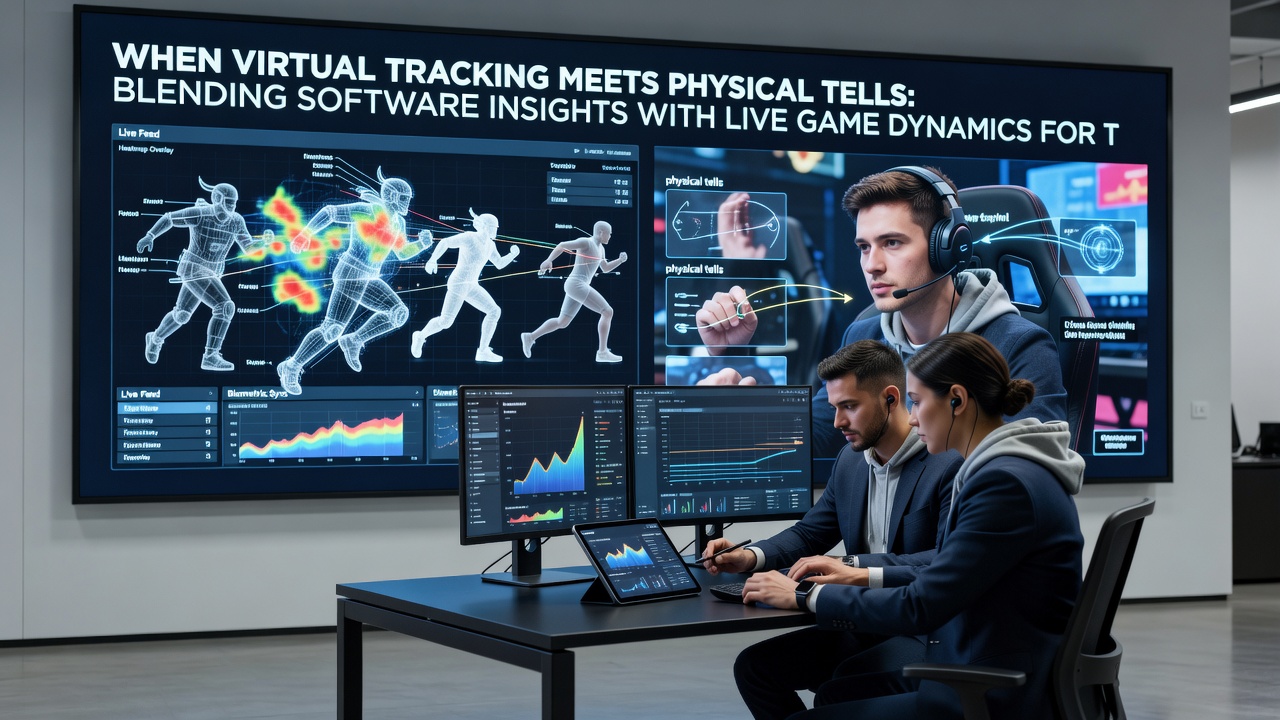
Studies conducted by gaming research groups indicate that experienced players who maintain digital profiles of recurring opponents adjust their live aggression levels more precisely, because they recognize when physical discomfort aligns with historically weak ranges rather than strong holdings. In July 2026 several major circuits reported increased use of tablet-based stat overlays during registration periods, allowing participants to refresh mental models of known players before cards entered play.
Practical Integration Methods Observed in Recent Events
Successful practitioners maintain concise notes that pair specific statistical outliers with corresponding live behaviors, such as linking a 45 percent fold-to-three-bet online rate with a documented habit of stacking chips in neat piles when facing pressure, and this cross-referencing happens quickly during short breaks or between tables. Tournament directors have observed that such preparation shortens the learning curve in later stages where stack preservation becomes critical, since players enter those phases with pre-built opponent models instead of starting from zero information.
Regulatory bodies including the Alcohol and Gaming Commission of Ontario have tracked rising interest in data-assisted live play, while academic papers from the University of Nevada, Las Vegas Center for Gaming Research highlight how statistical literacy influences decision speed under time pressure. Those who've studied this know the combination works best when players limit their focus to three or four key metrics rather than attempting to absorb every available number, because cognitive overload reduces the ability to notice real-time physical shifts.
Challenges and Limitations in Blended Approaches
Software accuracy depends on sample size, and live tournaments frequently feature opponents with limited tracked histories, which forces players to weigh partial data against stronger physical signals when the two conflict, and this weighting process requires experience that newer participants often lack. Environmental factors such as table position, stack depth, and payout structure further modulate both statistical relevance and tell reliability, so rigid application of either dataset alone produces suboptimal results according to figures compiled across multiple festival circuits.
Conclusion
The convergence of virtual tracking data with live physical observation continues to evolve as software interfaces improve and tournament fields grow more data-literate, and participants who develop systematic methods for merging these inputs position themselves to extract incremental edges that accumulate across large sample sizes. Future developments in portable analytics tools will likely accelerate this trend, yet the core requirement remains disciplined cross-verification rather than reliance on any single information channel.