Recognizing Tendencies in Opponent Play Through HUD Data Analysis
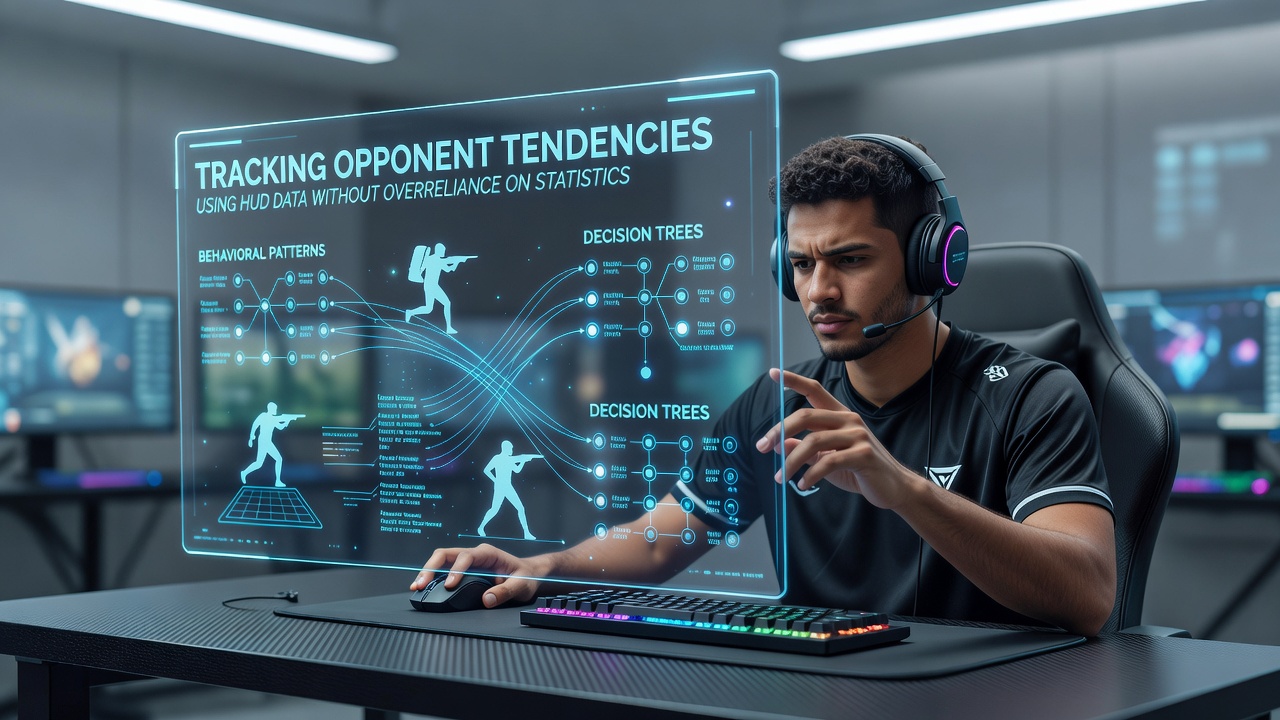
Online poker platforms have evolved considerably by June 2026, and many players continue to rely on HUD tools to gather information about opponents during live sessions, yet the most effective approaches involve selective interpretation rather than exhaustive numerical tracking. Observers note that HUD software displays metrics such as voluntary put money in pot percentages alongside aggression factors, but these figures gain value only when users cross-reference them with table dynamics and betting sequences that unfold over multiple hands.
Selecting Key Metrics for Pattern Recognition
Those who've studied player behavior in virtual environments point out that limiting attention to three or four core indicators helps maintain focus during extended play periods, whereas attempting to monitor every available statistic often leads to distraction from actual decision points. Research indicates that combining preflop raise percentages with fold-to-three-bet rates allows identification of tight-aggressive profiles without requiring constant reference to advanced filters or custom ranges. Data shows that players who review these select numbers between hands rather than in real time tend to retain better situational awareness at the table.
What's interesting is how certain patterns emerge more clearly when HUD data receives secondary status behind direct observation of timing tells and bet sizing variations. Experts have observed that an opponent displaying a moderate VPIP yet consistently min-raising from late position reveals a specific positional tendency that pure statistics might understate. And in practice, combining this insight with notes on showdown hands produces a more accurate mental model than relying solely on aggregated percentages.
Integrating Observational Context With Numerical Cues
Figures reveal that successful pattern tracking often depends on noting deviations from established baselines during particular stack depths or tournament stages, and HUD tools assist this process when users avoid treating the displayed values as fixed traits. People often find that an opponent who folds frequently to continuation bets in early levels may shift toward wider defense once antes come into play, a nuance that requires both the HUD reminder and live context to detect accurately. Studies found that maintaining a simple mental log of these shifts outperforms attempts to build comprehensive databases for every opponent encountered.
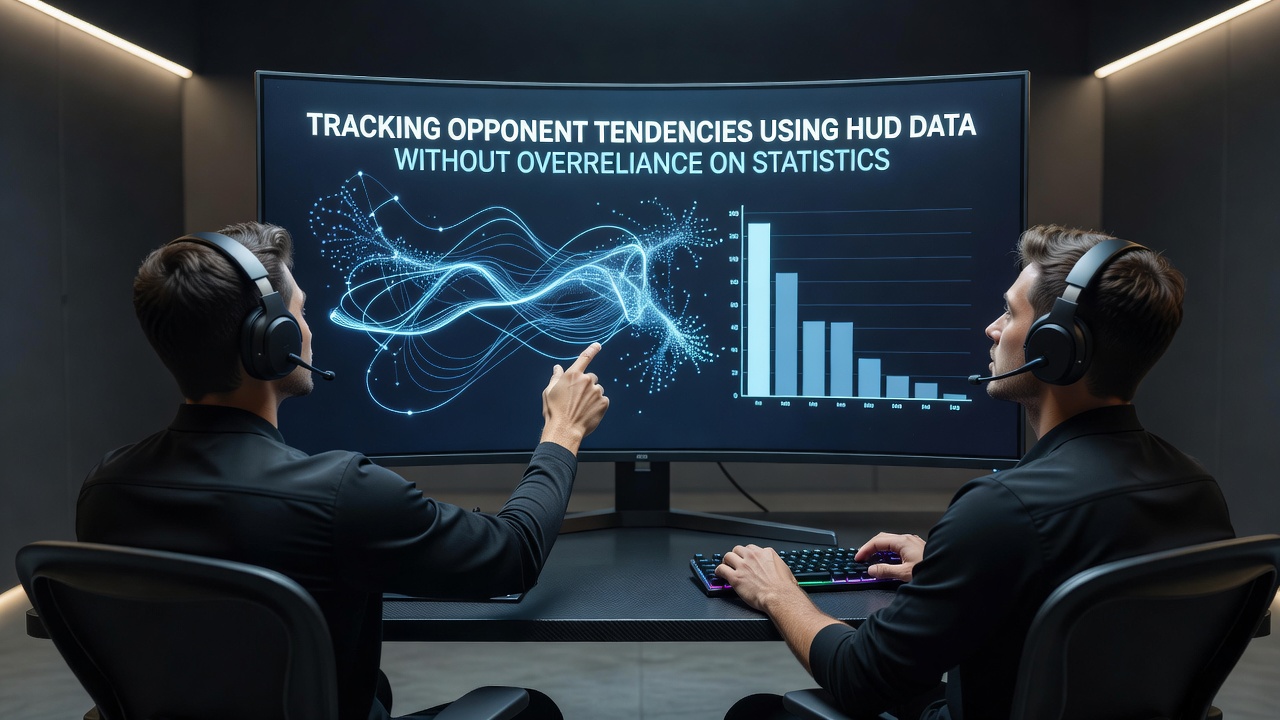
Turns out that experienced users frequently employ HUD information as a prompt for further questions rather than as conclusive evidence, prompting checks such as whether a high fold-to-steal rate holds true against shorter stacks or only against deeper ones. According to reports from the New Jersey Division of Gaming Enforcement, online traffic volumes in regulated markets have remained steady through mid-2026, creating consistent opportunities for players to test these observational habits across varied opponent pools. This approach keeps the HUD in a supporting role while the primary emphasis stays on real-time decision making.
Developing Note-Taking Habits Alongside HUD Use
Those who track opponent tendencies effectively usually pair HUD metrics with concise session notes that capture qualitative details such as reaction speed after unusual board textures or adjustments following recent losses. Research shows that these combined records help identify exploitable leaks more reliably than statistics alone, because they preserve the situational factors that numbers omit. Observers note that updating notes after each significant hand reinforces memory without requiring constant screen glances during active play.
But here's the thing: overreliance on HUD data can create false confidence when sample sizes remain small, so players who cross-check emerging patterns against multiple sessions reduce the risk of acting on incomplete information. Data from the Australian Institute of Criminology highlights how behavioral analysis in gaming environments benefits from layered verification methods that include both quantitative tools and direct observation. This layered method proves especially useful in fast-fold formats where opponents rotate quickly and individual histories stay limited.
Conclusion
Effective use of HUD data for spotting tendencies centers on restraint and integration with broader table awareness, allowing players to extract useful signals while avoiding the trap of treating every metric as definitive. As platforms continue to refine their software offerings into 2026 and beyond, the core principle remains consistent: HUD tools serve best when they prompt thoughtful questions rather than supply automatic answers.