Data Analytics Driving Improved Outcomes in Progressive Knockout Poker Tournaments
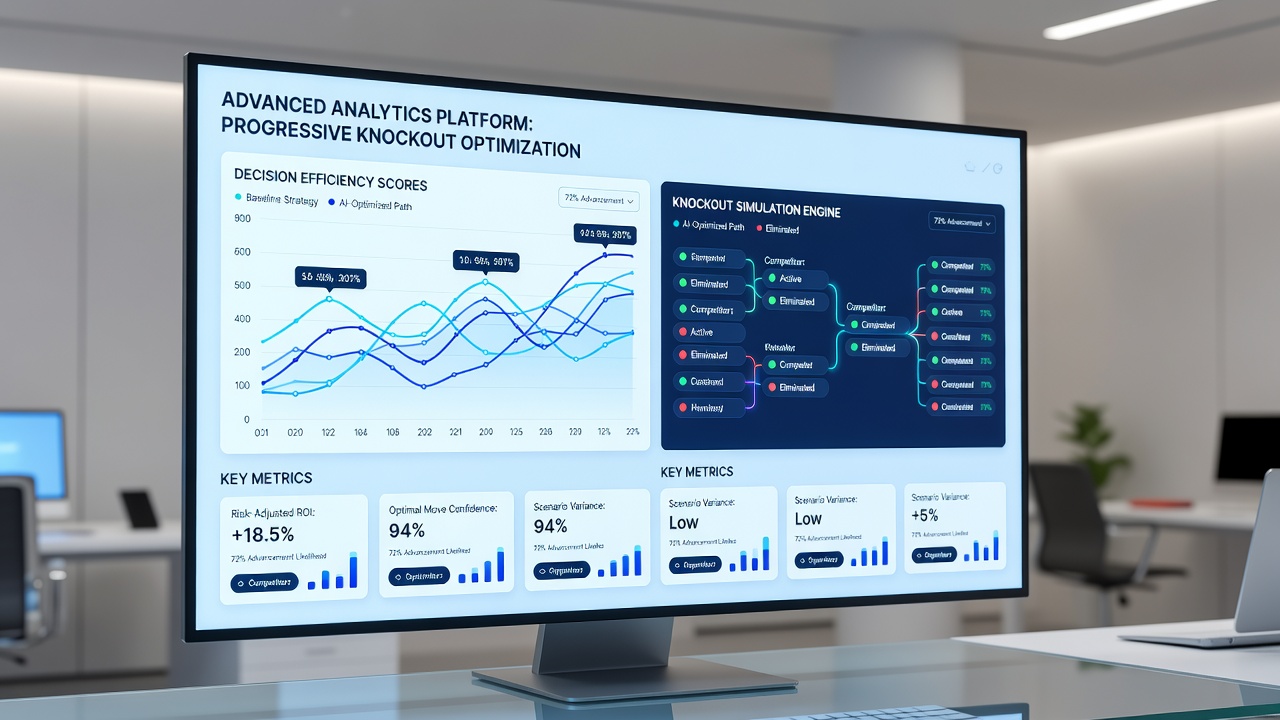
Progressive knockout formats add layers of complexity to tournament poker because bounty values shift with every elimination and players must weigh immediate chip gains against long-term survival odds. Advanced analytics platforms process large data sets from past events to generate models that highlight optimal push-fold thresholds, bounty target selection, and stack preservation tactics throughout each stage of a tournament.
Core Mechanics of Progressive Knockout Structures
Progressive knockout tournaments allocate a portion of the buy-in to a bounty that grows when a player eliminates opponents, which creates dynamic risk-reward calculations absent from standard freezeout events. Observers note that the escalating bounty values force adjustments in preflop ranges and postflop aggression levels as the event progresses from early levels through final tables. Data from multiple operators shows that average bounty contributions can exceed 30 percent of total prize pools in high-volume PKO series, which alters standard independent chip model calculations used in regular tournaments.
Analytics Platforms and Their Data Inputs
Modern platforms aggregate hand histories, player pool tendencies, and real-time stack distributions to produce probability distributions for specific decisions. These systems incorporate variables such as remaining player counts, average bounty sizes, and ICM pressure points that change rapidly in PKO settings. Researchers at several academic institutions have examined how machine learning models trained on millions of hands improve predictions of opponent responses to bounty-focused all-ins compared with traditional equity calculators alone.
Platforms often connect directly to poker clients through APIs, allowing users to receive live recommendations during play without manual data entry. Integration with historical databases enables the identification of patterns in how specific player types react when their own bounties become large relative to the remaining field.
Decision Optimization Through Real-Time Modeling
Decision points in PKO events frequently involve whether to target a high-bounty opponent or avoid confrontation until the field narrows further. Analytics tools calculate adjusted expected values that factor bounty multipliers into standard chip EV figures, which helps players quantify the additional incentive to engage. Figures from operator reports indicate that participants using such modeling tools demonstrate measurable shifts in aggression metrics during middle stages of events, particularly when multiple large bounties remain in play.

In July 2026 several major series introduced enhanced tracking features that display live bounty leaderboards alongside stack sizes, giving players immediate access to the data layers these platforms require. The updates allow for quicker identification of high-value targets and more precise timing of confrontations based on payout structures that evolve as players are eliminated.
Common Metrics Tracked by Analytics Systems
Key outputs from these platforms include bounty-adjusted ROI estimates, survival probabilities at different stack depths, and recommended calling ranges against various opponent profiles. Users receive breakdowns that separate standard chip equity from the additional value derived from claiming a bounty, which proves especially relevant near pay jumps where ICM effects intensify. Studies conducted by research groups in North America and Europe have compared outcomes between players who incorporate bounty data into their processes and those who rely on unmodified equity tools, revealing differences in final table appearances and average cashes across large sample sizes.
Practical Integration with Tournament Software
Operators have expanded support for analytics overlays that comply with platform rules while delivering the necessary calculations. Players access these features through approved extensions or companion applications that pull data without violating terms of service. Regulatory frameworks in regions such as Pennsylvania and several Canadian provinces require clear disclosure of any automated assistance tools, which has prompted developers to maintain transparent audit trails for the models they deploy. Australian gaming council reports document similar compliance standards applied to poker software used across licensed sites.
Conclusion
Advanced analytics platforms supply structured data that refines decision frameworks in progressive knockout tournaments by accounting for bounty dynamics alongside traditional stack and payout considerations. Continued development of these tools, including the July 2026 feature releases, expands the range of variables that can be modeled during live play. Players and operators alike track adoption rates and performance differentials to assess the ongoing impact of data-driven approaches on tournament outcomes across global markets.