Custom Tweaks in Streaming Interfaces Unmasking Weaknesses in Online Poker Matches
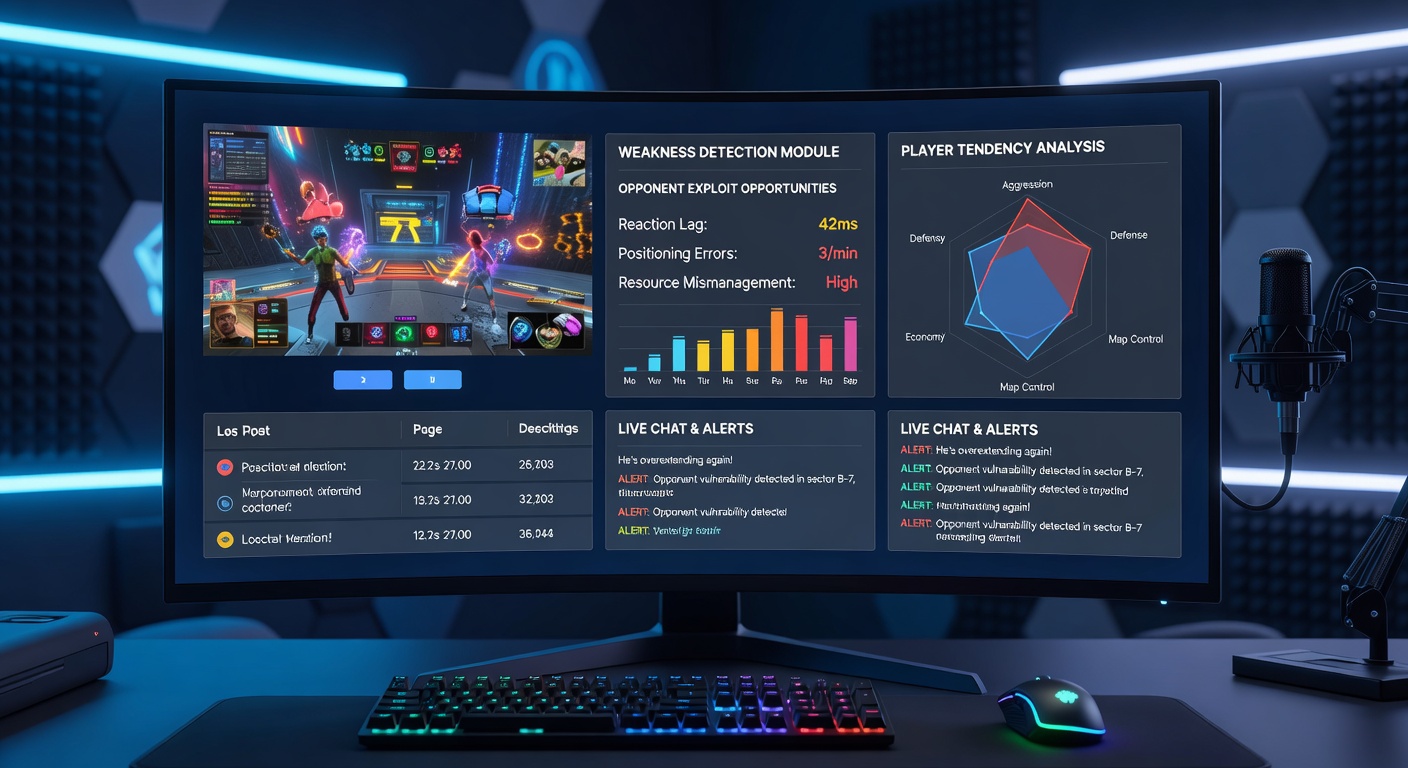
Live-streamed online poker events have incorporated interface customizations that display aggregated player data in real time, and these adjustments allow observers to identify patterns such as fold frequencies or aggression rates during specific hand stages. Developers integrate modular overlays into broadcast platforms so that statistics from multiple sessions appear alongside video feeds, and this setup draws from databases maintained by tournament organizers. In May 2026 several major circuits introduced updated streaming protocols that support these layered displays, which connect directly to public hand histories released after each session.
Core Elements of Interface Adjustments
Platform engineers design toggleable panels that users activate through browser extensions or dedicated viewer applications, and these panels pull metrics like voluntary put money in pot percentages along with continuation bet success rates. Data streams feed into the interface via secure APIs provided by event hosts, while color-coded highlights flag deviations from established baselines for each participant. Observers note that such tweaks operate within regulatory frameworks established by bodies including the Nevada Gaming Control Board, which oversees data transparency requirements for licensed operators.
Additional modules track positional play distributions across thousands of hands, and they present this information through heat maps that update dynamically as new actions register. Tournament software vendors have released documentation showing how these elements integrate without disrupting the primary video broadcast, and integration occurs through standardized data formats that multiple platforms now adopt.
Implementation Across Major Platforms
Streaming services handling high-profile events in 2026 allow viewers to customize stat thresholds so that only significant outliers trigger visual alerts, and this reduces screen clutter during fast-paced action. One documented case involved a European circuit event where participants exhibited elevated three-bet frequencies from late position, and the interface adjustment highlighted those instances for immediate review. Researchers at academic institutions studying decision-making under time pressure have referenced these tools in publications examining cognitive load factors during competitive play.
Industry reports from organizations such as the Canadian Gaming Association indicate that adoption rates for custom viewer interfaces rose steadily through early 2026, and the increase correlates with expanded live coverage of online tournaments. Developers emphasize compatibility across desktop and mobile applications so that remote audiences maintain access regardless of device type.
Pattern Recognition Through Layered Data
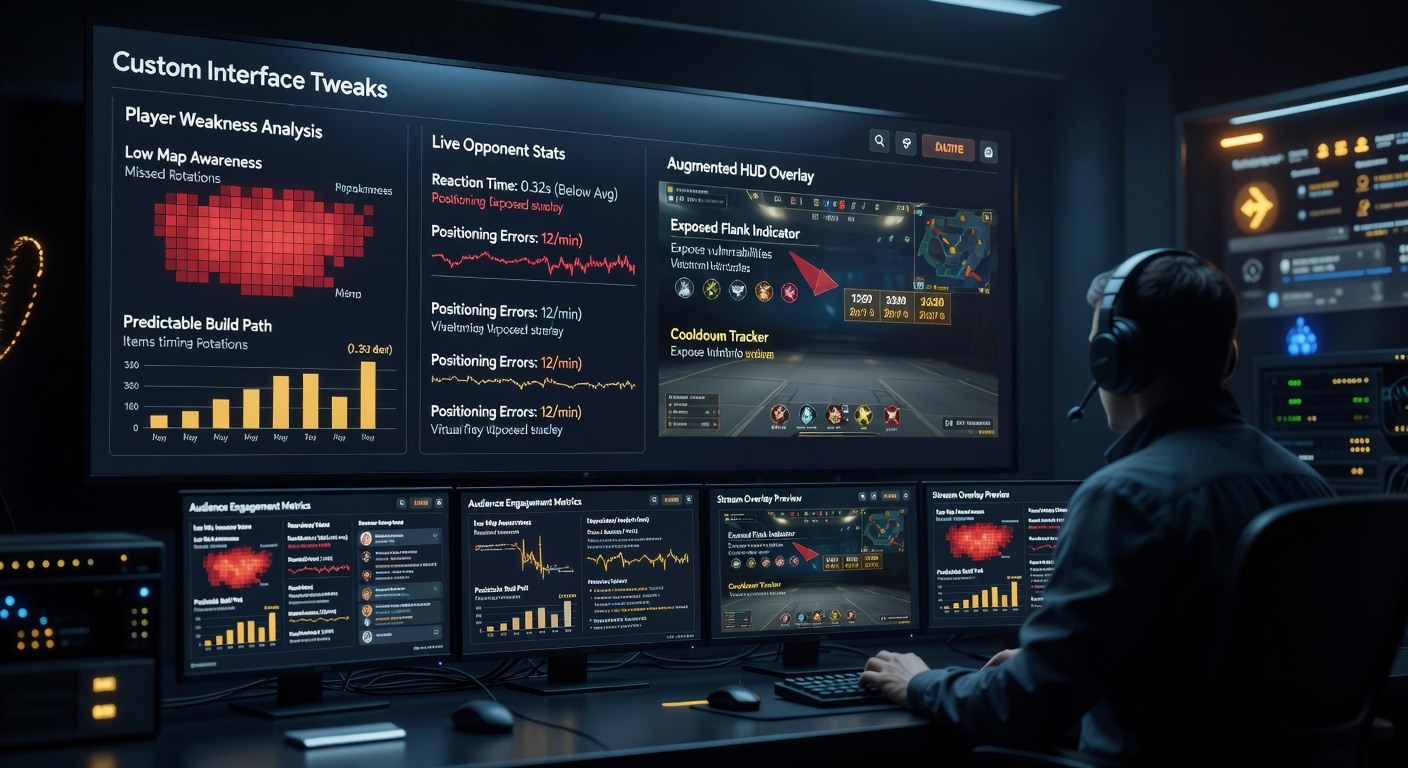
Custom panels often combine historical performance indicators with current session variables, and this combination surfaces tendencies such as river bluff frequencies or check-raise responses in specific board textures. Event organizers supply anonymized datasets that comply with privacy standards, while the interface renders these figures through interactive charts that users can filter by player or street. Studies published by university research groups have examined how such visual aids influence spectator analysis without altering actual gameplay mechanics.
Platforms operating in multiple jurisdictions maintain separate compliance layers to meet varying disclosure rules, and these layers ensure that only permitted statistics appear during broadcasts. In May 2026 updates to streaming software introduced predictive modeling overlays that project likely outcomes based on aggregated tendencies, though these projections remain separate from live decision processes.
Technical Considerations for Viewers
Users configure interface settings through preference menus that store selections locally, and this approach prevents server-side data accumulation beyond what event rules permit. Bandwidth requirements stay modest because the system transmits only incremental updates rather than full redraws with each hand, and testing conducted by software vendors confirms stable performance during peak viewership periods. External resources from the Australian Communications and Media Authority provide guidelines on digital interface standards that many operators reference when deploying these features.
Security protocols encrypt the data channels between the streaming server and viewer application, while authentication tokens limit access to authorized event streams. Observers have documented cases where these safeguards prevented unauthorized extraction of proprietary tournament information during high-stakes competitions.
Conclusion
Interface customizations in live-streamed poker events continue to evolve through collaboration between developers, regulators, and tournament hosts, and they provide structured access to performance indicators that reveal consistent patterns across sessions. As platforms refine these tools in response to technological advances, the focus remains on maintaining data integrity and viewer accessibility within established operational boundaries.