Coordinating Psychological Preparation with Digital Session Planning in Online Poker
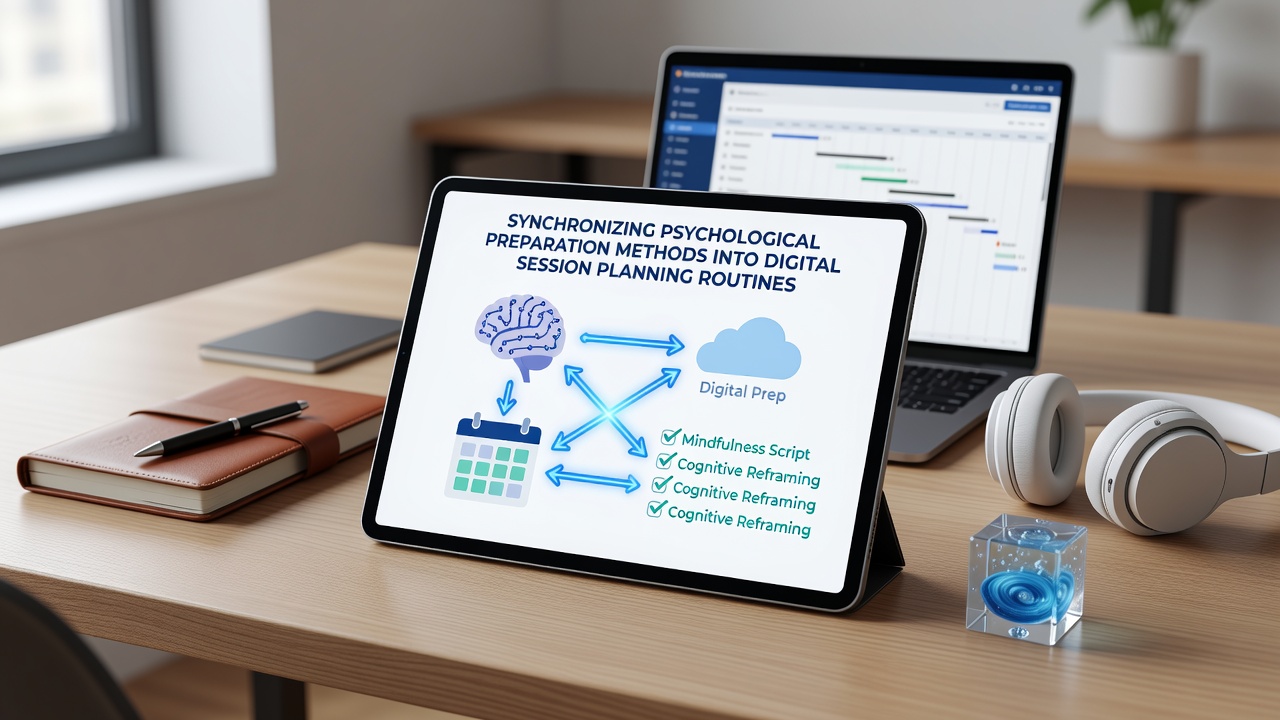
Digital poker environments require structured approaches that blend mental conditioning exercises directly into session timelines, and data from multiple regions shows this integration improves consistency across extended play periods. Researchers at institutions in North America and Europe have documented how pre-session routines that incorporate visualization alongside schedule mapping lead to measurable differences in decision accuracy during peak hours.
Players often map out their digital sessions using calendar tools that allocate specific blocks for warm-up activities, and these blocks typically include breathing sequences or focus drills drawn from cognitive behavioral frameworks. Studies conducted through Canadian health agencies indicate that such timed preparations correlate with reduced error rates in high-stakes virtual tables when compared against unstructured entry points.
Building Mental Anchors into Session Timelines
Session planning software now frequently features customizable prompts that remind users to complete brief psychological check-ins before logging into poker platforms, and these prompts draw from established protocols developed in sports psychology programs. Observers note that participants who embed these anchors report steadier performance metrics over multi-hour stretches, especially during periods when traffic volumes spike on major sites.
One common method involves pairing each planned entry time with a short reflective exercise that reviews recent hand histories through a neutral lens, and this pairing helps separate emotional responses from analytical review. Figures released by Australian research bodies tracking online gaming behaviors reveal that players maintaining such paired routines experience fewer deviations from their established strategies across consecutive sessions.
Aligning Physiological Cues with Platform Schedules
Digital planning routines gain additional layers when users synchronize heart-rate monitoring apps with their poker calendars, allowing real-time adjustments based on physiological signals. Evidence from university-led investigations in Scandinavian countries demonstrates that players who factor biometric feedback into their session starts maintain tighter ranges during later stages of extended play.
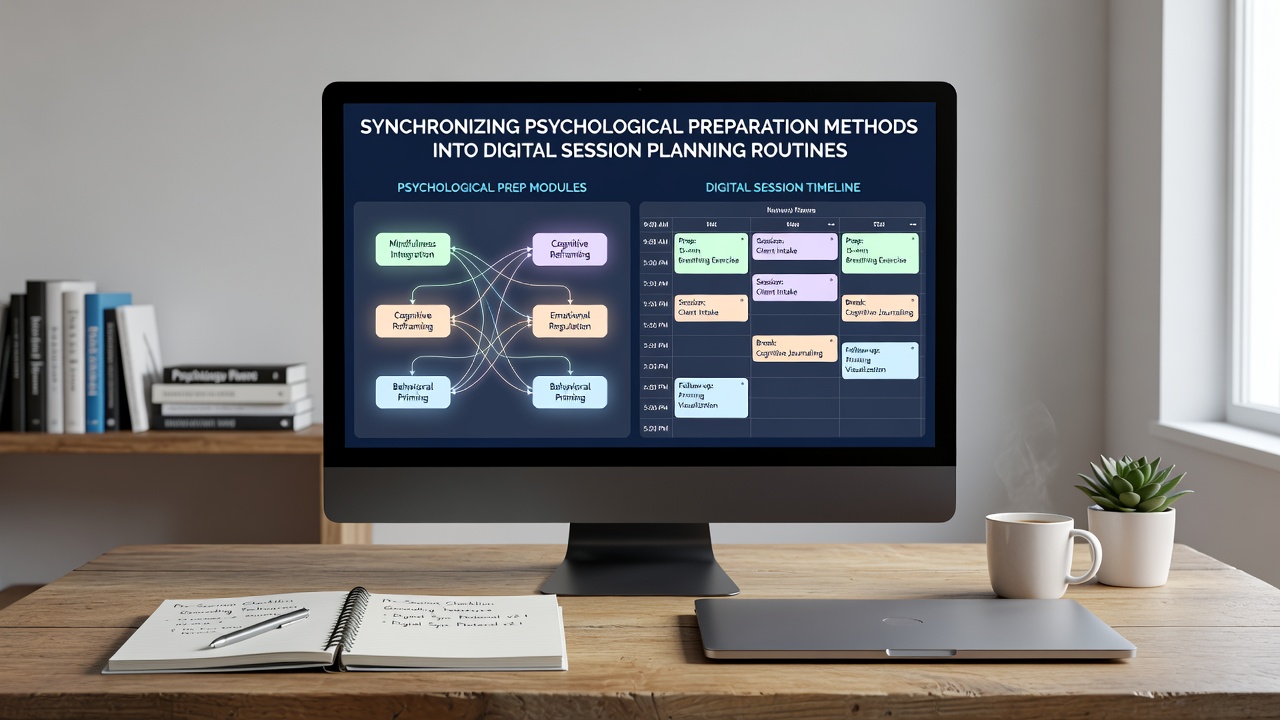
June 2026 saw several platform updates that introduced integrated wellness modules directly within scheduling interfaces, and these modules automatically suggest preparation intervals calibrated to individual time zones. Data compiled by European gaming oversight groups shows increased adoption of these features among users who previously reported inconsistent session starts.
Tracking Outcomes Through Integrated Logs
Comprehensive session records now merge quantitative results such as win rates and hand counts with qualitative notes on mental state before and after each block, and this merged format allows pattern identification over weeks rather than isolated days. Reports from academic teams in the United States highlight how such combined logging supports refinement of preparation sequences without requiring external coaching input.
Software developers have responded by embedding export options that feed these merged logs into visualization tools, and the resulting charts help identify which psychological techniques align best with specific game formats or stake levels. Industry analyses from regulatory bodies in Asia-Pacific regions confirm steady growth in the use of these combined tracking systems among recreational and semi-professional cohorts alike.
Conclusion
Coordination between psychological preparation sequences and digital planning structures continues to evolve through platform features and user practices documented across multiple jurisdictions. Continued examination of outcome data from varied geographic sources supports ongoing refinement of these synchronized approaches in online poker environments.