Charting Seasonal Swings in Virtual Play Volumes Against Bonus Rollover Requirements
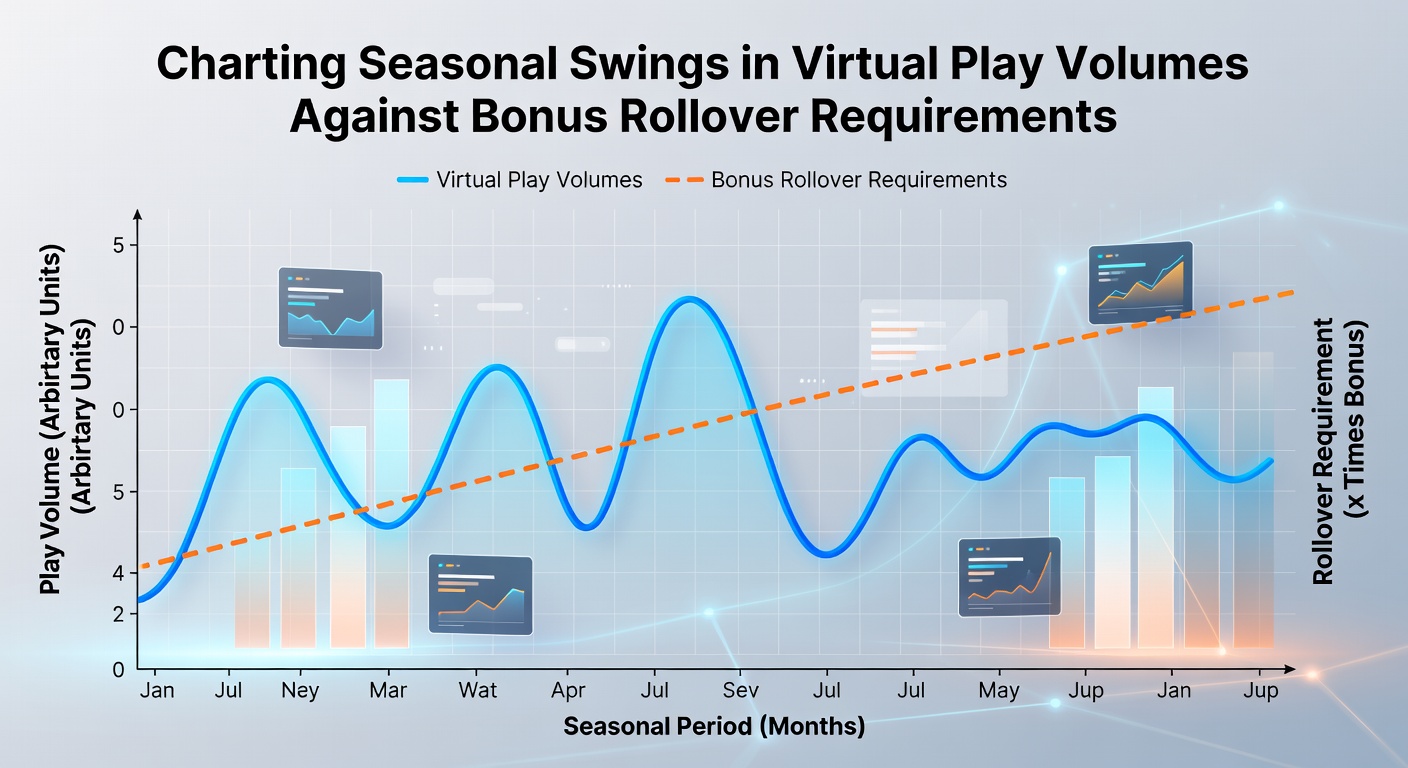
Virtual play volumes in online poker environments display distinct seasonal patterns that operators and players track closely each year, with activity rising sharply during winter months and dipping in summer periods across major platforms. Data compiled from multiple networks reveals consistent spikes in hand volumes and active accounts between November and February, while March through August often shows measurable declines that align with holiday cycles and outdoor activity increases in key markets. These swings become particularly relevant when examined against bonus rollover requirements that dictate how much play must occur before withdrawal eligibility activates.
Patterns Across Calendar Quarters
Researchers at several industry monitoring firms have documented how fourth-quarter volumes typically exceed first-quarter figures by noticeable margins because holiday schedules free up more discretionary time for recreational participants. Platforms report elevated traffic during major sporting events that coincide with colder weather, creating natural clusters of engagement that push daily averages higher. Bonus rollover structures remain fixed throughout these periods yet the pace at which players clear them accelerates when volumes surge, shortening the effective time window between deposit and cashout for many accounts.
May 2026 has already shown early signs of the usual spring moderation, with several US-friendly rooms noting gradual reductions in concurrent players compared to April peaks. Observers attribute part of this shift to improving weather patterns in North American regions that traditionally feed large player pools, while European and Asian time zones maintain steadier but lower contribution levels. The interaction between these volume changes and rollover thresholds becomes evident in player behavior metrics that show extended completion times for bonus-related playthrough obligations during slower months.
Regulatory and Platform Data Insights
Figures released by the Nevada Gaming Control Board indicate that online poker handle in the state experienced a 14 percent quarter-over-quarter drop between Q4 2025 and Q1 2026, a movement that mirrors broader seasonal trends observed on international skins. Similar reports from the Australian Communications and Media Authority highlight comparable reductions during the same transition period, underscoring that these cycles operate across regulatory jurisdictions with differing bonus rules. Platforms adjust marketing calendars around these known patterns by timing deposit bonuses to coincide with anticipated upswings rather than fighting against natural downturns.
One study conducted by academic researchers at a Canadian university examined transaction logs from multiple operators and found that average days required to satisfy 30x rollover conditions extended by nearly five days during summer quarters relative to winter baselines. This extension occurs because reduced hand volumes translate directly into slower accumulation of qualifying rake or playthrough amounts. Players who time deposits to match higher-volume windows therefore encounter more favorable clearing conditions without any change to the stated requirements themselves.
Impact on Player Strategies and Account Management
Those who monitor traffic reports note that late-spring lulls create opportunities for players seeking softer tables yet simultaneously stretch the timeline for bonus completion. Data indicates that participants who maintain consistent session lengths across seasons still face variable rollover progress rates tied to overall network activity rather than individual effort alone. Platforms occasionally introduce targeted reload promotions during May and June precisely to offset these slower periods and maintain engagement levels closer to winter norms.
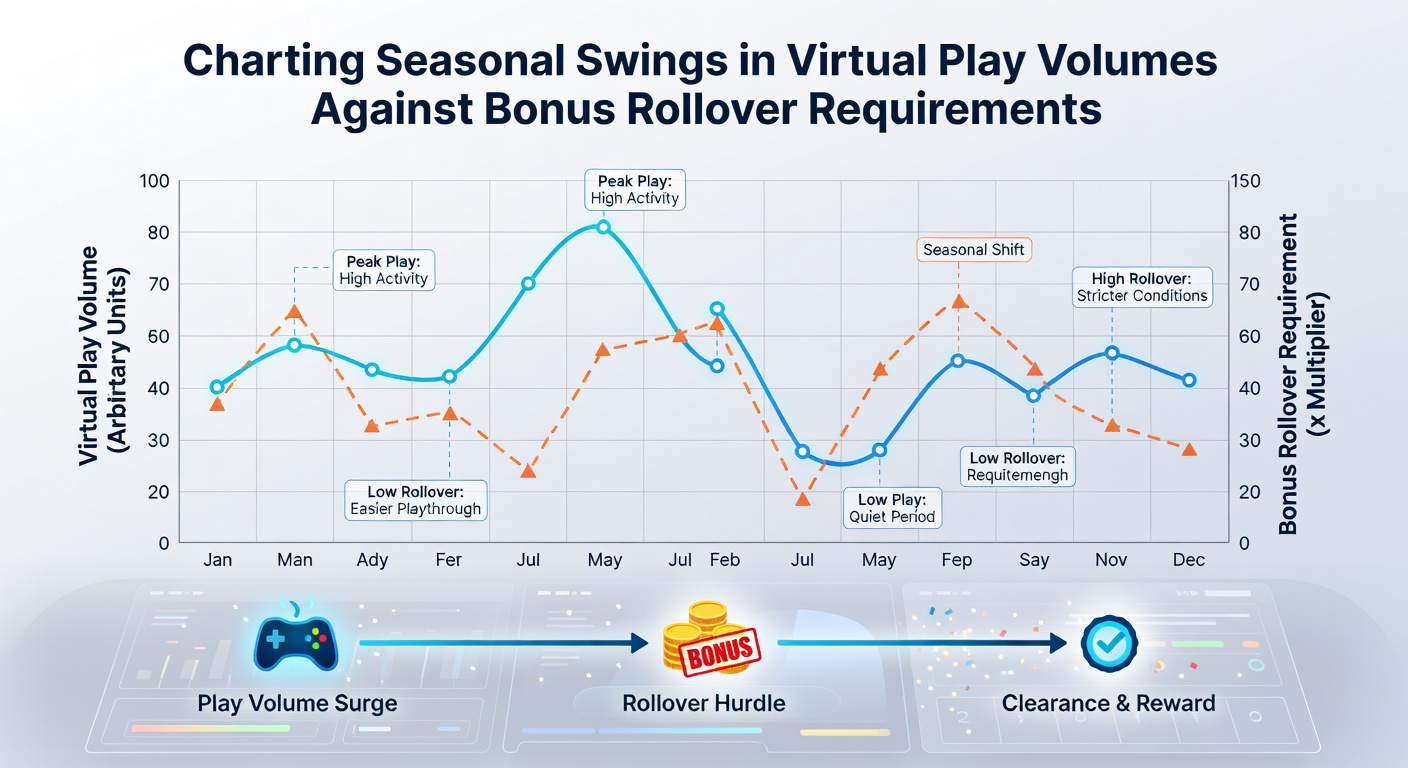
Industry organizations such as teh European Gaming and Betting Association have compiled multi-year datasets that confirm the predictability of these swings, allowing operators to forecast liquidity needs and bonus liability exposure with reasonable accuracy. The same datasets reveal that rollover requirements remain static even as player counts fluctuate, producing measurable differences in effective bonus value depending on when a player begins the clearing process. Accounts opened during high-volume months clear faster on average, while those initiated in shoulder seasons require more calendar time despite identical play volume targets.
Regional Variations and Market Responses
Markets in different time zones display offset patterns because local holidays and weather cycles do not align globally. North American volumes often peak around Thanksgiving through Super Bowl season, whereas certain Asian markets show strength during Lunar New Year periods that fall in January or February. These staggered peaks help stabilize overall network volumes but still create regional pockets where bonus rollover pacing varies noticeably from one jurisdiction to another. Operators that operate across multiple skins adjust localized promotions to align with these regional calendars rather than applying uniform global strategies.
Evidence from transaction analytics shows that players who track historical volume charts and align deposit timing with upcoming upswings achieve higher completion rates within stated bonus validity periods. This alignment does not alter the rollover multiplier but reduces the risk of expiration before requirements are met. Platforms have responded by extending validity windows during historically slower months in certain regions, though core percentage requirements stay consistent year-round.
Conclusion
Seasonal volume swings continue to shape how bonus rollover requirements function in practice even though the numerical targets themselves rarely change. Data from regulatory bodies and academic sources demonstrates clear correlations between calendar periods and the time required to satisfy playthrough conditions across diverse markets. As May 2026 progresses, these patterns are expected to follow established trajectories that operators and players alike have learned to anticipate through ongoing monitoring of traffic metrics and historical benchmarks.